
A sensitive scalp is more than just an occasional itch or tingle; it’s when your scalp becomes easily irritated, leading to discomfort and various symptoms. This sensitivity can be triggered by many factors, including environmental changes, the products you use, and underlying skin conditions.
Understanding and managing a sensitive scalp is crucial for maintaining healthy hair and overall scalp health. We know how frustrating and uncomfortable this can be, so let’s dive into what it means and how to care for it.
Sensitive scalp symptoms can vary, but common signs include:
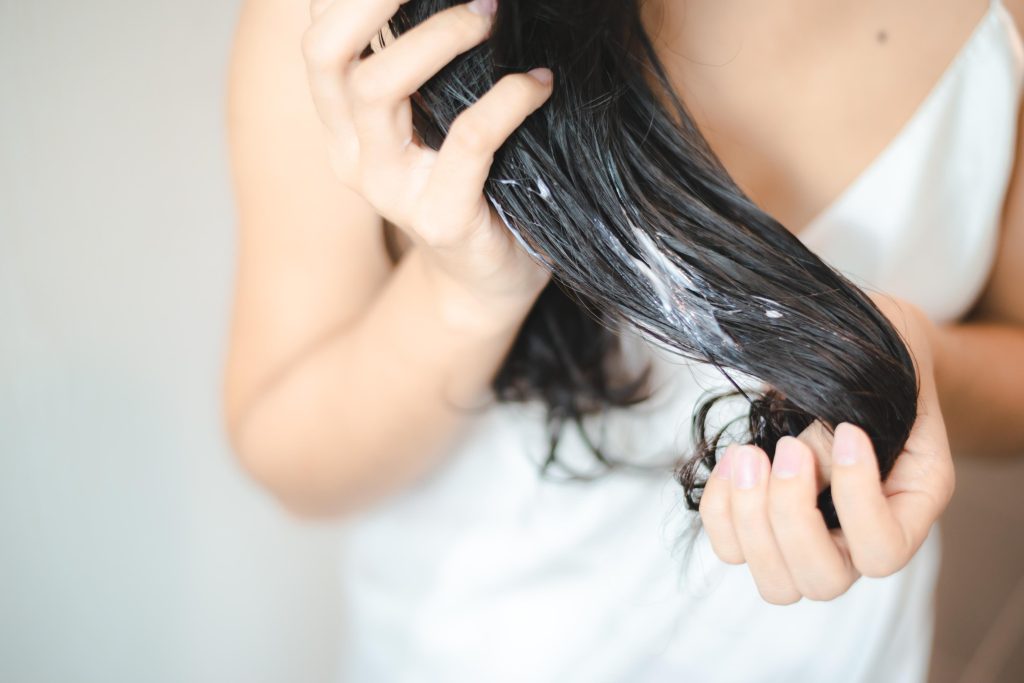
Maintaining good scalp hygiene is essential for managing sensitivity

Never underestimate how diet and lifestyle can affect your hair. Changes in either can significantly benefit your hair health.
It’s important to opt for products specifically formulated to be gentle and soothing. Here’s how you can treat sensitive scalps:
Effective treatments can significantly alleviate discomfort and improve the health of your sensitive scalp. At Papilla by Kim Lim, we have a range of sensitive scalp treatments that use advanced scalp innovations and nourishing botanicals that cater to different sensitivity levels.
We understand your scalp concerns, and we are dedicated to get to the root of the issue. Our medical-grade technologies, multi-pronged approach solutions, and game-changing ingredients will help optimise your scalp health for fuller and thicker hair.
Get In Touch
Our friendly team is looking forward to serving you. For urgent enquiries and appointment requests, please call us directly.
Sensitive scalps are caused by:
Consulting a trichologist or hair care professional is advisable for persistent scalp sensitivity. They can recommend sensitive scalp treatments such as medicated shampoos, professional scalp treatments, or prescription medications.
On average, the cost of sensitive scalp treatments in Singapore vary depending on the type of treatment and the salon or clinic providing it, as well as the severity of individual conditions.
Tight hairstyles and certain accessories can worsen scalp sensitivity. Opt for loose hairstyles like a low braid and use soft hair ties or clips to minimise irritation.
A diet rich in vitamins and minerals, particularly vitamins A, E, and C, can promote a healthier scalp. Supplements such as omega-3 fatty acids and biotin may also help reduce sensitivity.