
How Do I Know Which is The Best Hair or Scalp Treatment For Me?

Read on to learn about some of the best hair treatment options available in Singapore to treat hair and scalp problems and achieve healthy hair.
Choosing A Scalp Treatment Salon In Singapore For Your Unique Scalp

A personally customized scalp treatment for your unique scalp type is key to its effectiveness. Here’s how to choose a scalp treatment salon in Singapore.
The Papilla By Kim Lim Product for Greying Hair: Color Boost Series

The Papilla Scalp Color Boost Shampoo effectively rejuvenates weakened hair roots and restores the lost color, all while controlling the natural oil secretion in your scalp to reduce greasy or oily-looking hair.
What is Low Level Laser Therapy for hair growth?

Low level laser therapy (LLLT) has been clinically shown to reverse the symptoms of hair loss in males and females. Learn about this hair growth solution here.
Stem Cell Solutions for Hair Loss
Stem Cell Technology is key to the treatments offered at Papilla By Kim Lim – a dedicated hair and scalp centre that specialises in hair-regrowth using innovative scalp technologies developed exclusively for Papilla by top Korean scientists.
EV™ Phytokines Transforming your body from within
EV Phytokines helps to reduce inflammation and promote youthful healing. It is extremely effective for scalp care and hair loss.
What are the common causes of hairloss?

Know more about the reasons for your hair loss and how to treat them, Papilla By Kim Lim can provide the services you need to treat your hair and scalp problems.
Why Hair Loss In Men Is A Sign Of Underlying Health Problems
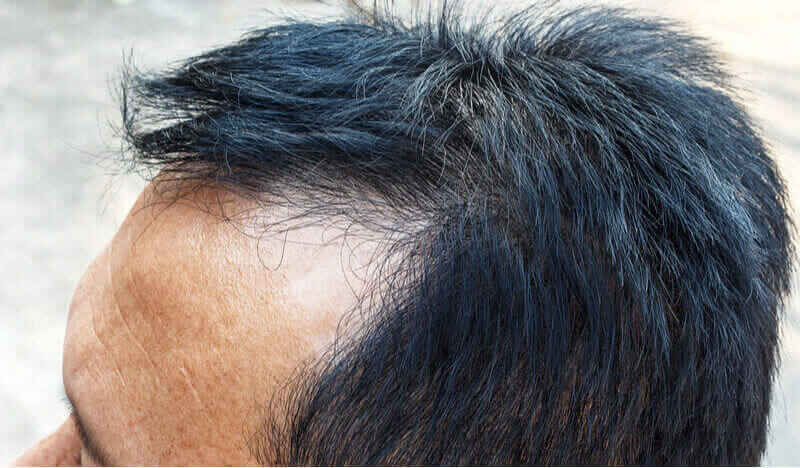
Studies have shown that hair loss in men can point to serious health problems. Learn about the signs to look out for and what you can do about it.
Can men and ladies use the same hair loss treatment?
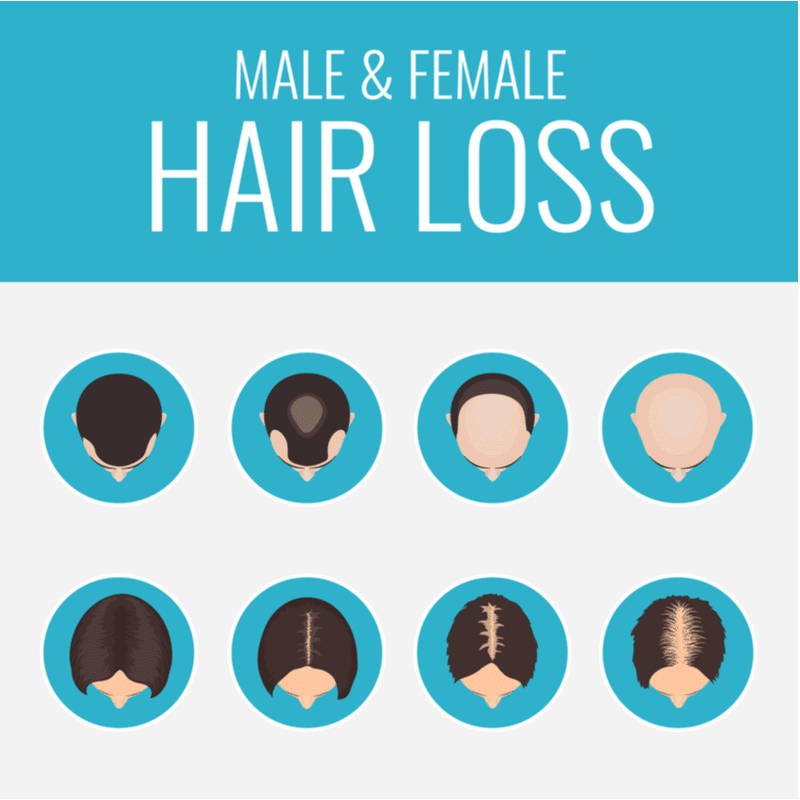
Hair loss treatments for men and ladies have some similarities and differences. Here are some solutions that are effective for both males and females.
Genetic vs. Reactive Male Hair Loss
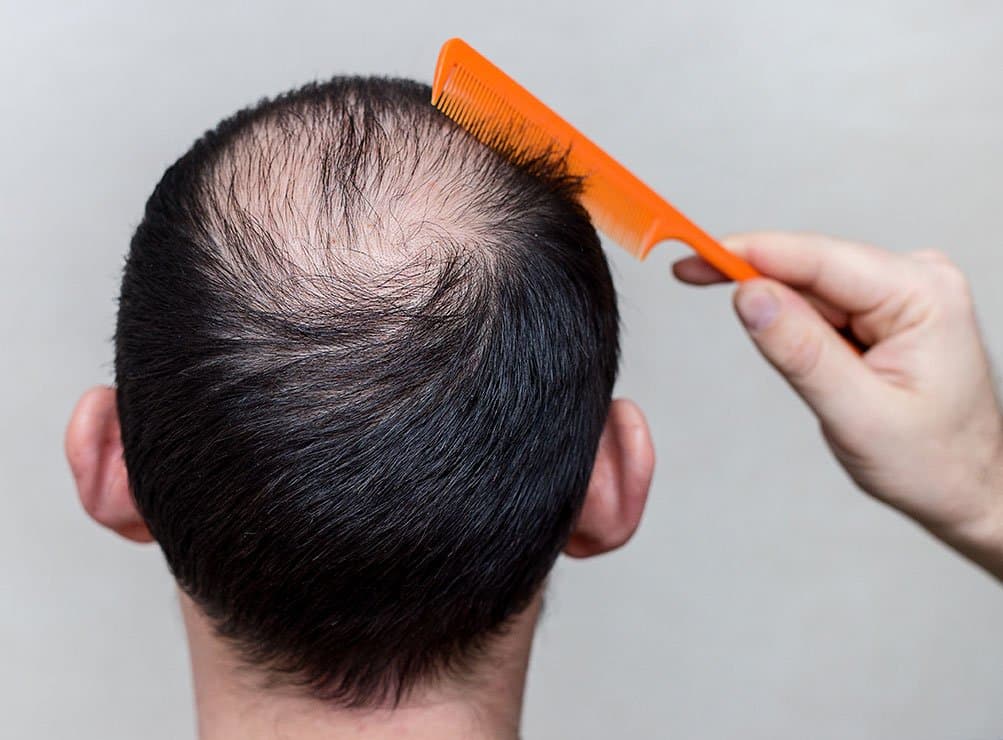
Male hair loss is increasingly common – 85% face it by age 50, but it can be treated regardless of whether it’s genetic or reactive. Here’s how.